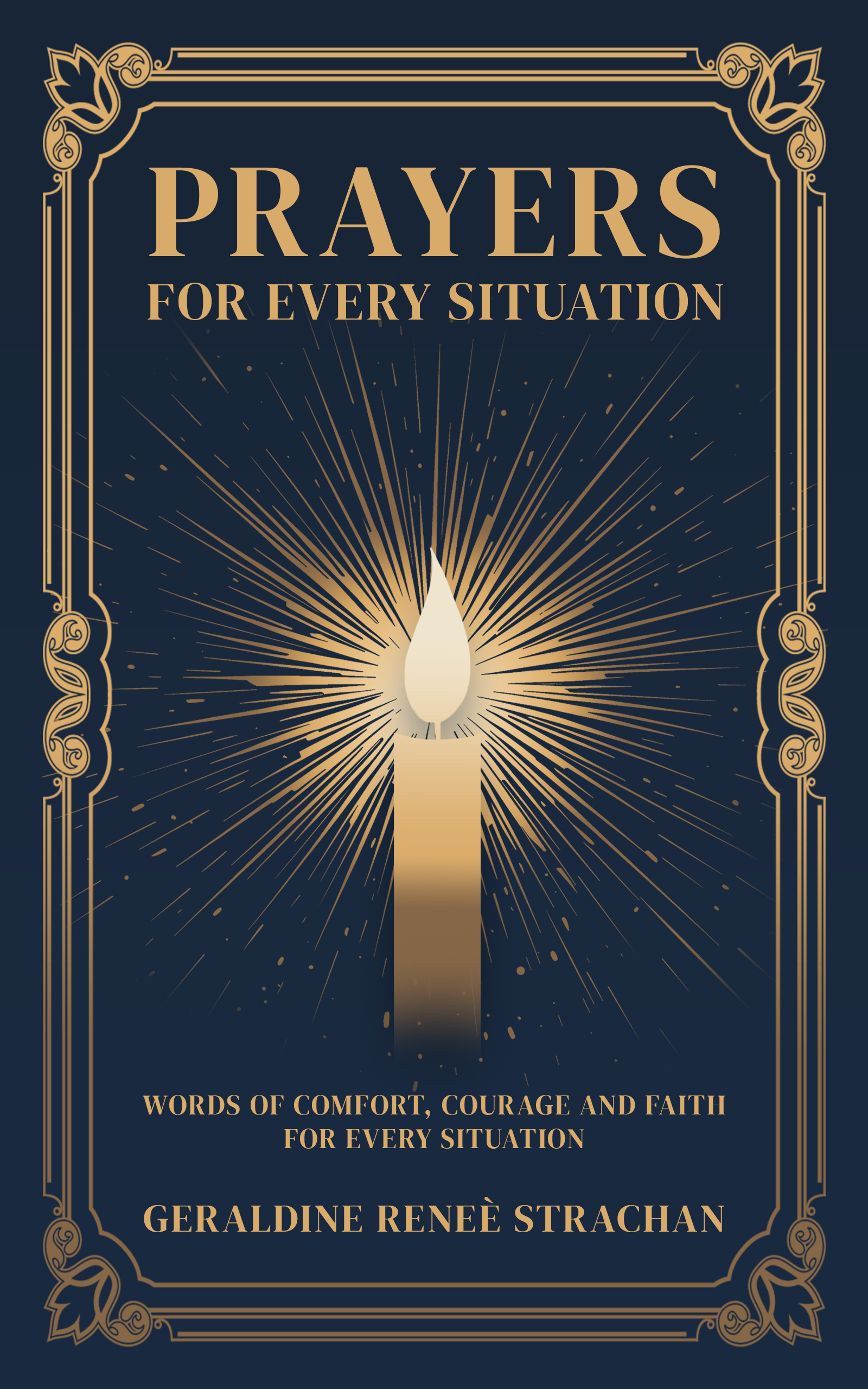
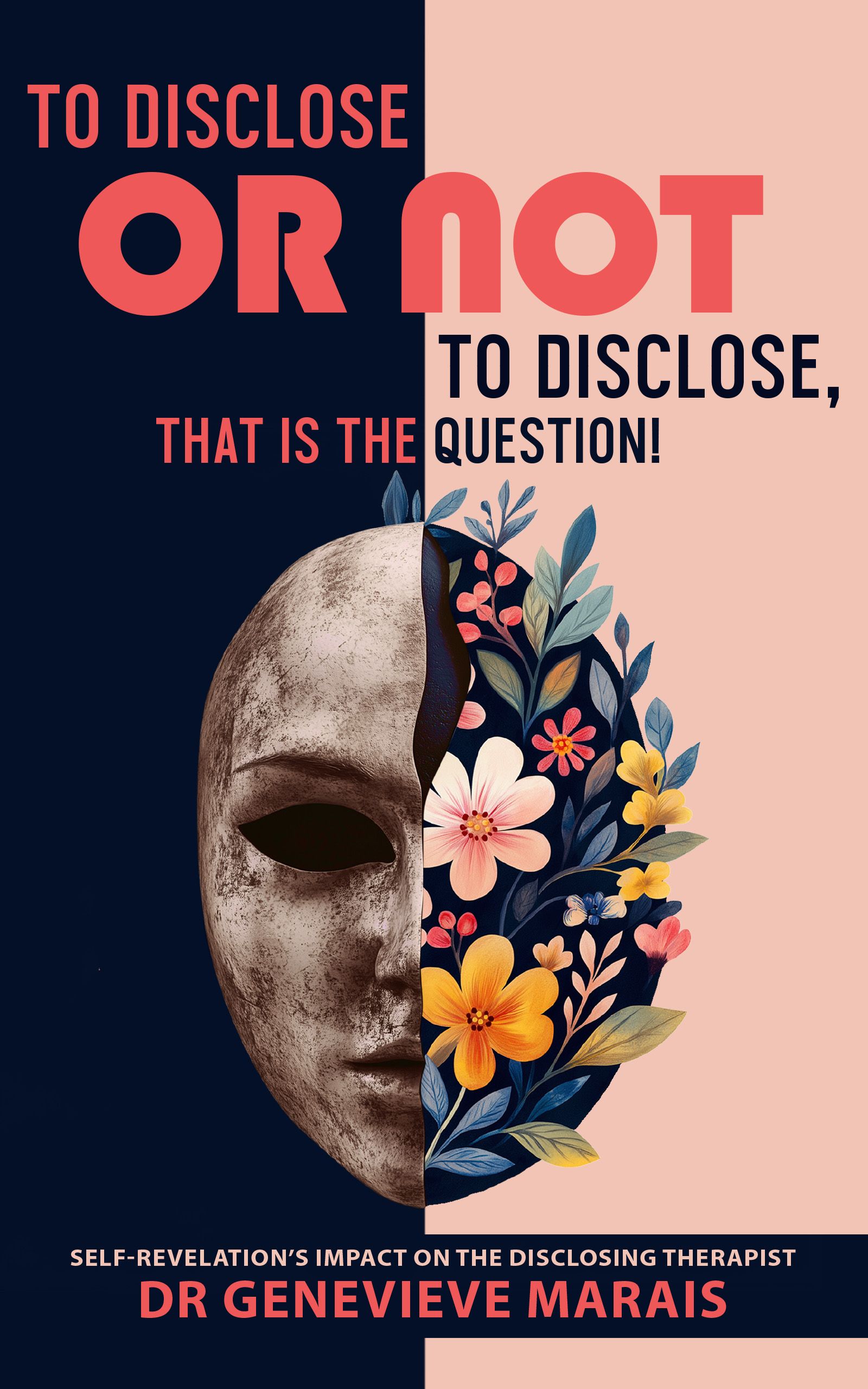
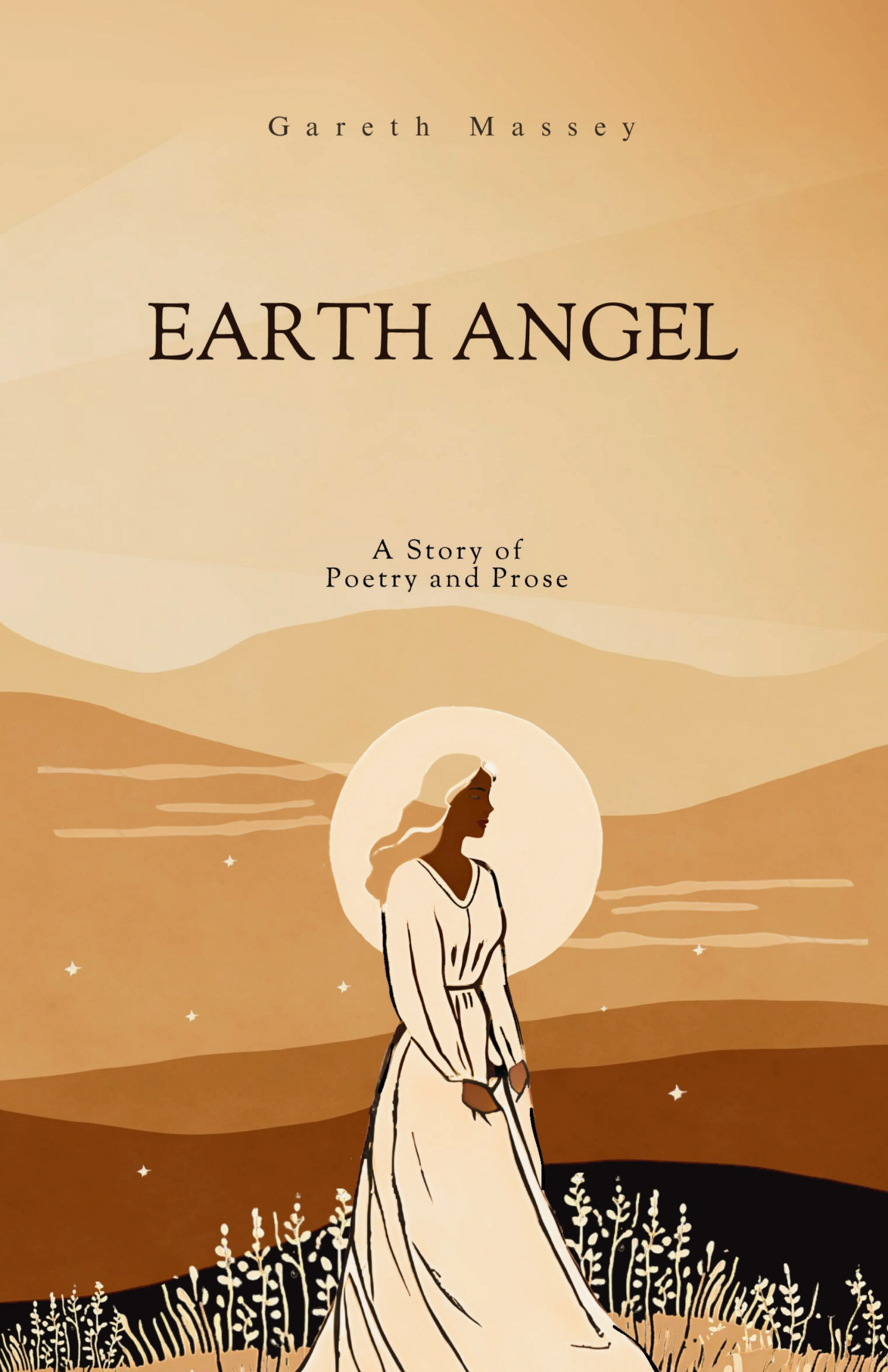
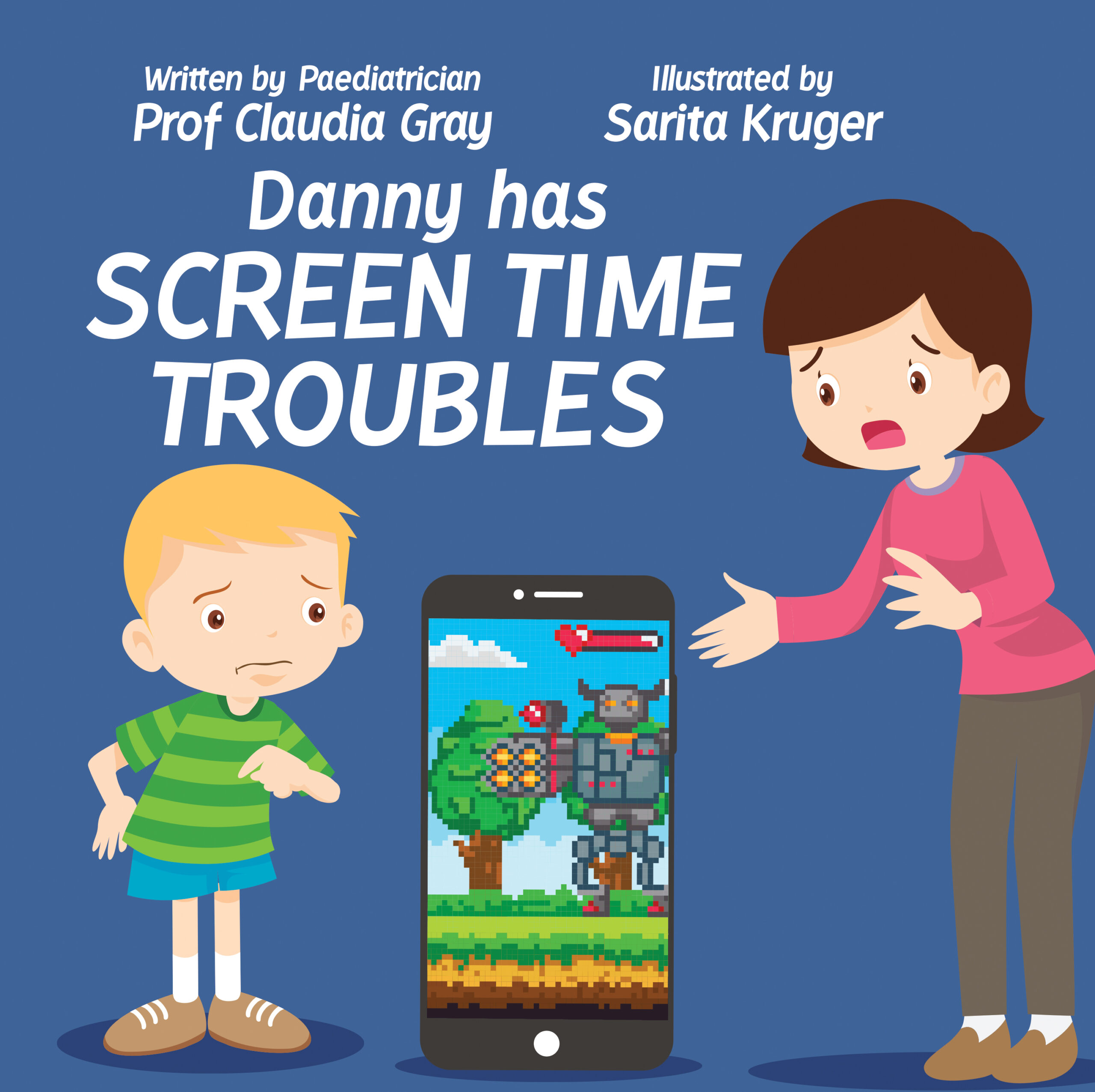
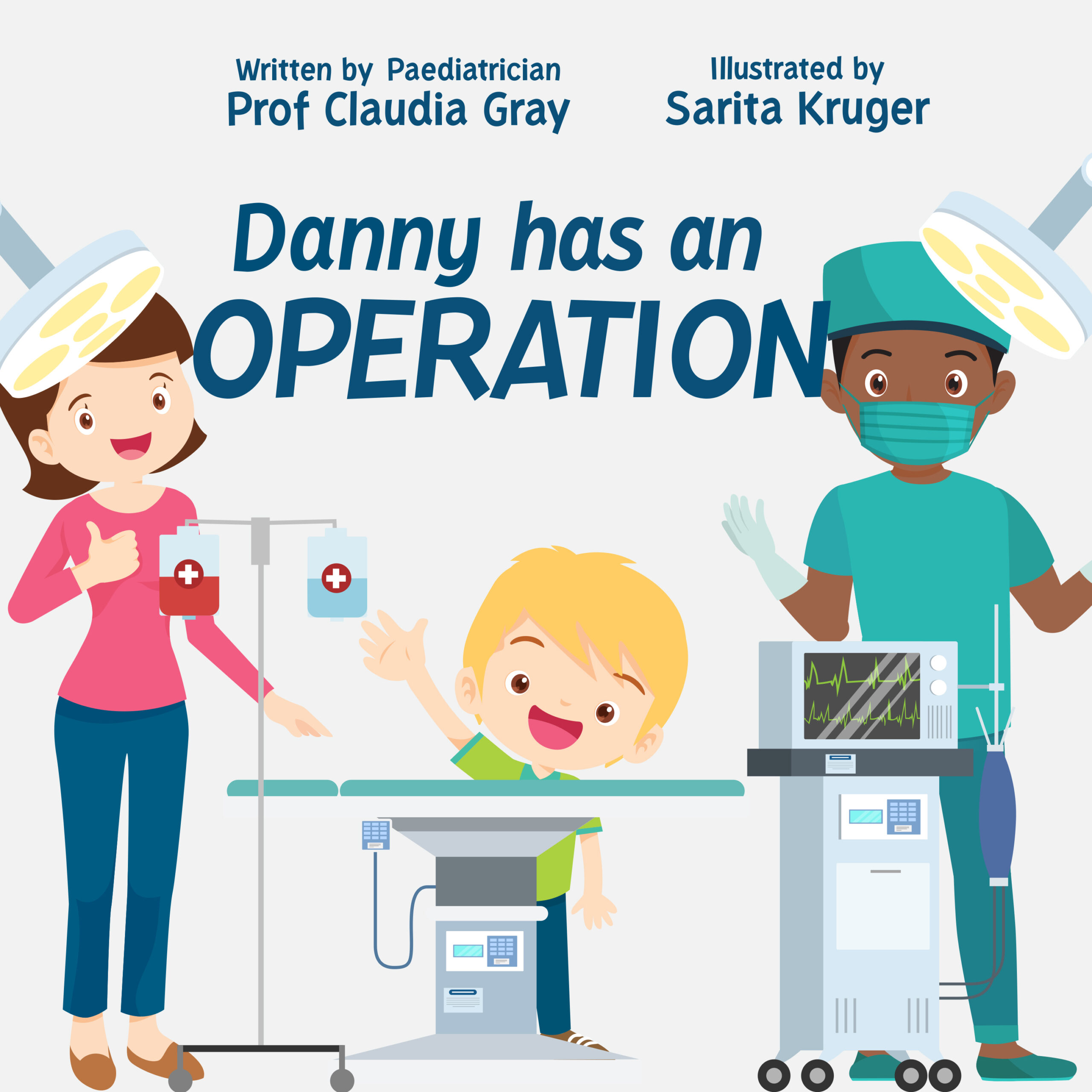
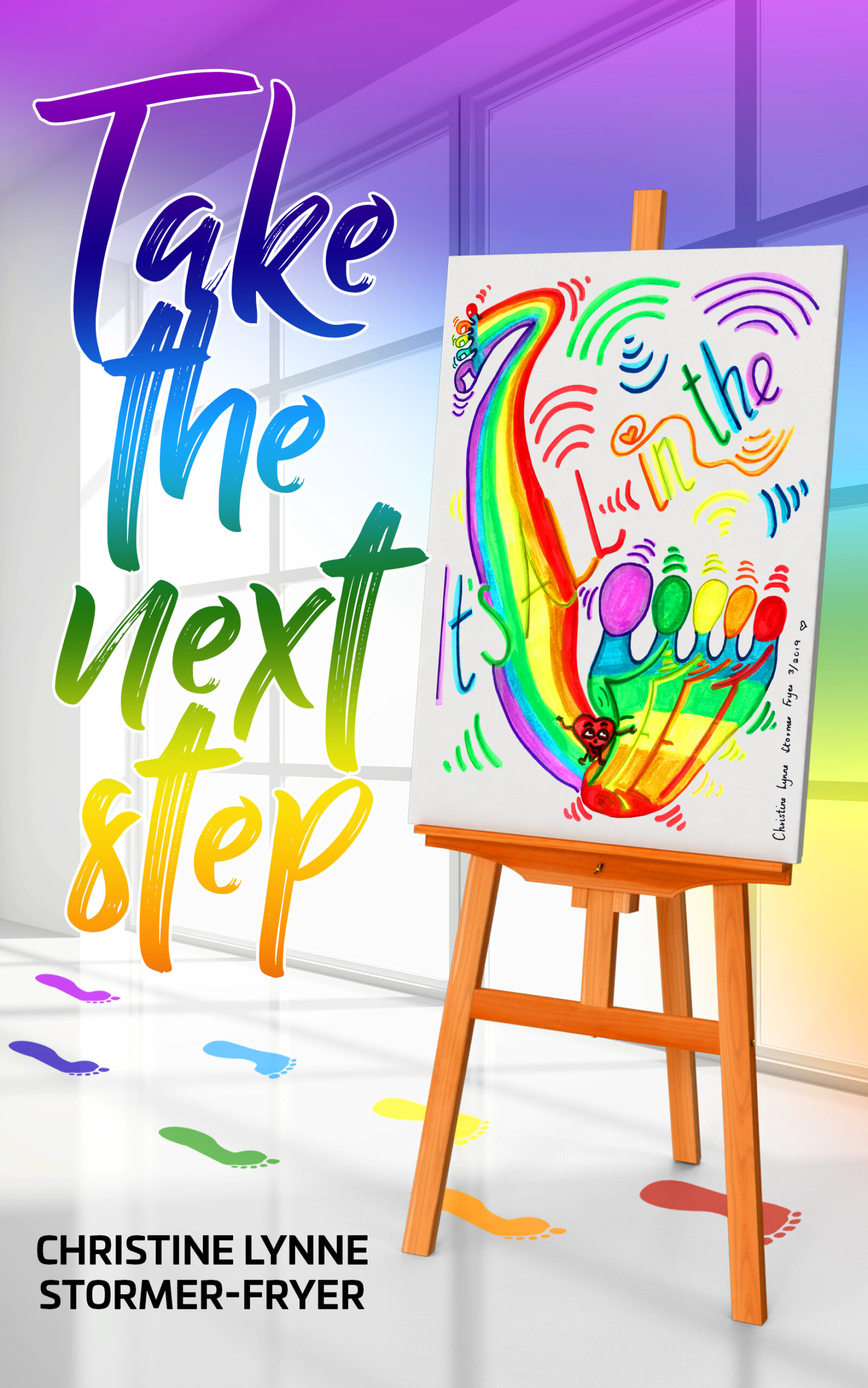
Whether you’re in sunny South Africa or somewhere so far away you’ve never tasted a koeksister, if you’ve got a completed manuscript and no idea what to do with it next, you’re in the right place. Traditional publishing is one route, but self-publishing – or independent publishing, as it’s sometimes called – is a quicker, simpler way to get your book into the hands of readers anywhere in the world without having to hand over control to anyone else. And if that appeals to you, I’m here to guide you through every step of the process.
Having worked in the South African book industry since 1991, first as a bookseller, then as a bookshop owner, and now as a publishing consultant, I’ve spent decades watching authors navigate (and sometimes stumble through) the publishing process. I’ve been on both sides of the counter: I know what booksellers need to see before they’ll stock a book, and I know what indie authors need to do to make sure their book gets there. I published my own book, Four in the Morning, in 2015, which means I’ve walked every step of this road myself.
Today I work with authors all over the world to get their books published, correctly listed, and distributed to the widest possible audience, from online retailers like Amazon to brick-and-mortar bookshops across the globe.
Self-publishing is an exciting and growing movement worldwide. For authors in developing regions, particularly across South Africa and the African continent, it offers an invaluable pathway to getting stories into readers’ hands, no matter where those readers might be. But these benefits extend to indie authors everywhere who want to take control of their publishing journey.
As an indie author, you have complete control over your book, from production through to printing and distribution. You choose who edits your manuscript, who designs your cover, whether that cover is glossy or matt, and whether your paper is cream or white. You decide exactly what appears on the copyright page. You set your own pricing. You select the size and format. You determine where to sell your book, including online bookstores and e-tailers like Amazon, Barnes & Noble, Apple Books, Overdrive, and many more, and which distribution channels to use. Another advantage is that you can make changes to your book within minutes at no cost. And if you’re planning on making respectable money from sales, you’ll receive higher royalties of up to 40% on your paperback (and up to 75% if you publish as an e-book), compared to the 5%–10% you’d receive from a traditional publisher (or publishing houses offering “hybrid” solutions, where you cover all the costs while they handle design, printing, listing, and distribution).
Self-publishing your book may sound daunting, and you may already be wondering where to begin. After all, you’re taking on all the roles of a traditional publishing house. But speak to any indie author and they’ll tell you how rewarding it is, especially when you’re partnered with industry specialists who know their craft. Having worked in the South African book industry since 1991 and spent years refining the art of self-publishing, I’m confident that your finished product will look as polished as any traditionally published book you might find in your local bookshop, your book will be correctly listed, and it will be given maximum reach.
Every author should make sure that they publish both an e-book and a print version of their book. You want to make sure that when a customer hears about your book, it’s easy to find, and it’s available at the click of a mouse. Obviously, having your book available as an e-book on platforms like Amazon provides the customer with instant gratification (and instant access to your book, wherever they might be in the world), but many readers still like the feel of a good old paperback in their hands. I know I do! My advice: publish in both formats. Your designer should be able to produce both an ePub (e-book) and a paperback version of your book from your original manuscript (which you will likely supply them in Word). Your front cover will be the same for both versions, although you will need to add a spine and a back cover for the paperback edition.
One significant advantage of publishing on today’s indie publishing platforms is that the author doesn’t have to print thousands of copies of their book and ship them off to a big warehouse in the middle of nowhere. Amazon, the world’s biggest print-on-demand retailer, and IngramSpark, the world’s biggest print-on-demand wholesaler, both have on-site print-on-demand (POD) facilities, which allows them to print a copy of your book as an order comes in from a customer.
When self-publishing your book in paperback, it is important that it is available on all leading book retail platforms across the world. Equally important is that your book is available to bookshops worldwide that might wish to purchase copies.
Every bookshop worth its salt will subscribe to the world’s biggest book database, Nielsen Bookdata (also known as Books in Print). This database tells the bookseller everything they need to know about a book, including where to order it from. Coming from a bookselling background, there is nothing worse than having a customer ask you to track a book down for them, only to discover that it’s not listed on Books in Print. This is generally because the book has never been published through a mainstream publisher or because it’s been self-published but the author has not listed it with a book wholesaler, which means the book does not appear on Books in Print (publishers, distributors and wholesalers all upload their full book catalogues to this database).
A bookseller who is prepared to go the extra mile will probably do a Google search to see if the book is perhaps available on an author’s website or social media profile but often (and I speak from experience), there’s no mention of the book anywhere and the bookseller has no choice but to turn the hopeful potential customer away. It is for this exact reason that if your book is not available to a bookshop via a publisher, wholesaler or distributor, it won’t be listed on their database, and you can forget about them placing a special order for any customer who might want a copy of your book. It’s usually just too much hard work to track an indie author down.
The other thing that might happen is the bookseller can only find the book on Amazon and not through their regular supply chain, which is made up of publishers, their distributors, and various book wholesalers. Ingram is the world’s biggest book wholesaler, based in the USA, and warehouses books for thousands of international publishers that don’t have their own distributors. Many authors are unaware that by only making their book available on online retail platforms like Amazon, they’re cutting themselves off from potential sales into bookshops. Bookshops do not like buying independently published books from Amazon because it adds all sorts of problems into the mix. For one, they have to pay for the books upfront (whereas mainstream publishers, distributors and wholesalers sell to bookshops on 60 to 120-day accounts); for another, there are the shipping fees; then there is the issue with returns (Amazon is a one-way street); and finally, Amazon doesn’t offer bookshops the magical trade discount (which can be anything from 30% to 55%) that publishers, distributors and wholesalers offer bookshops, which means the bookshop has to inflate the book’s price before selling it onto the customer. The customer, in all likelihood, will probably decide to just go and buy the book from Amazon at half the price.
IngramSpark is the print-on-demand arm of the world’s largest book wholesaler, Ingram. Publishing your paperback via IngramSpark means that your book will immediately be available in Ingram’s wholesale catalogue, making it quick and easy for any bookshop anywhere in the world to find and order your book.
The three platforms I recommend indie authors publish on are Amazon KDP and Draft2Digital (which covers sales to the general public), and IngramSpark (which covers sales to the book trade). Having your book published on all three platforms ensures your book is available to the widest audience possible, from private individuals to brick-and-mortar bookstores to online retailers. Each platform is extremely well-geared for any author who wants to follow the independent publishing route.
If you live in South Africa and shop online, you’ll know that most people’s go-to for retail therapy from your desk is Takealot. You’ve probably shopped there yourself. I am one of their loyal customers, because local is lekker. But now you want to turn the tables and instead of buying something from Takealot, you want to SELL your book to other Takealot customers.
But can a self-published author sell their book on Takealot? The short answer is yes. You can apply to be a seller on their platform, print a number of copies of your book, send them off to Takealot, and wait for them to sell.
The other option is to make use of their print-on-demand solution, which is similar to what Amazon and IngramSpark offer, just closer to home. It means you won’t need to print a single copy of your book upfront – each time a shopper orders a copy, their print-on-demand partner prints and ships it directly to the customer, and you receive a royalty pay-out after printing and distribution costs have been deducted.
You can list your book with their print-on-demand partner yourself, pay them to do it for you, or you can let me handle everything on your behalf. Whatever path you choose, it’s completely doable.
Before setting out to self-publish your book, you will need to apply for an ISBN for each different format of your book. An ISBN, which stands for International Standard Book Number, is the unique identifier for each version of your book. You will need one for the paperback edition of your book, one for your e-book, and, if you’re planning on publishing in hardcover or large-print format (or even in audio book format), you will need one for each of those editions too. Your ISBN will appear on your copyright page as well as in the barcode on the back of your print edition (paperback or hardcover).
Once your ISBN(s) is(are) registered, your book will automatically be registered on BooksinPrint.com, which every bookseller uses to find and order books.
You can obtain your ISBN(s) from the ISBN agency in your country. Each country has a single approved and designated agency that issues ISBNs for publishers and self-publishers located in that country. In South Africa, the ISBN agency is the National Library (in Pretoria), and applying for an ISBN is free. Bowker is the official ISBN agency for the US and Australia; and Nielsen is the official ISBN agency for the UK and Ireland. To find the approved ISBN agency for your country click here. When purchasing an ISBN from one of these agencies, there is no need to purchase a barcode if your cover designer is going to design one for you, which is usually the case.
Will you have to sell an organ on the black market to cover the publishing costs? The good news is you can keep both kidneys. And your liver. And that spleen you’ve grown so fond of. Your organs are safe.
My self-publishing packages are designed for indie authors worldwide and are built around keeping costs realistic, with pricing tailored for the South African market starting at R2 250 (ZAR). International authors are welcome to take advantage of the same packages at the listed rates.
All package prices include walking you through the initial setup steps, after which you will hand the reins over to me.
You’ll handle these steps with my guidance:
I’ll then take care of the rest, which includes:
Important: my packages exclude editing, proofreading, typesetting, and cover design. If you haven’t tackled any of these yet and don’t know where to begin, I will connect you with the right people to get started.
"You're an absolute angel, and I appreciate all you've done so much! You have been absolutely awesome and have made the scary, unfamiliar world of publishing much less intimidating."
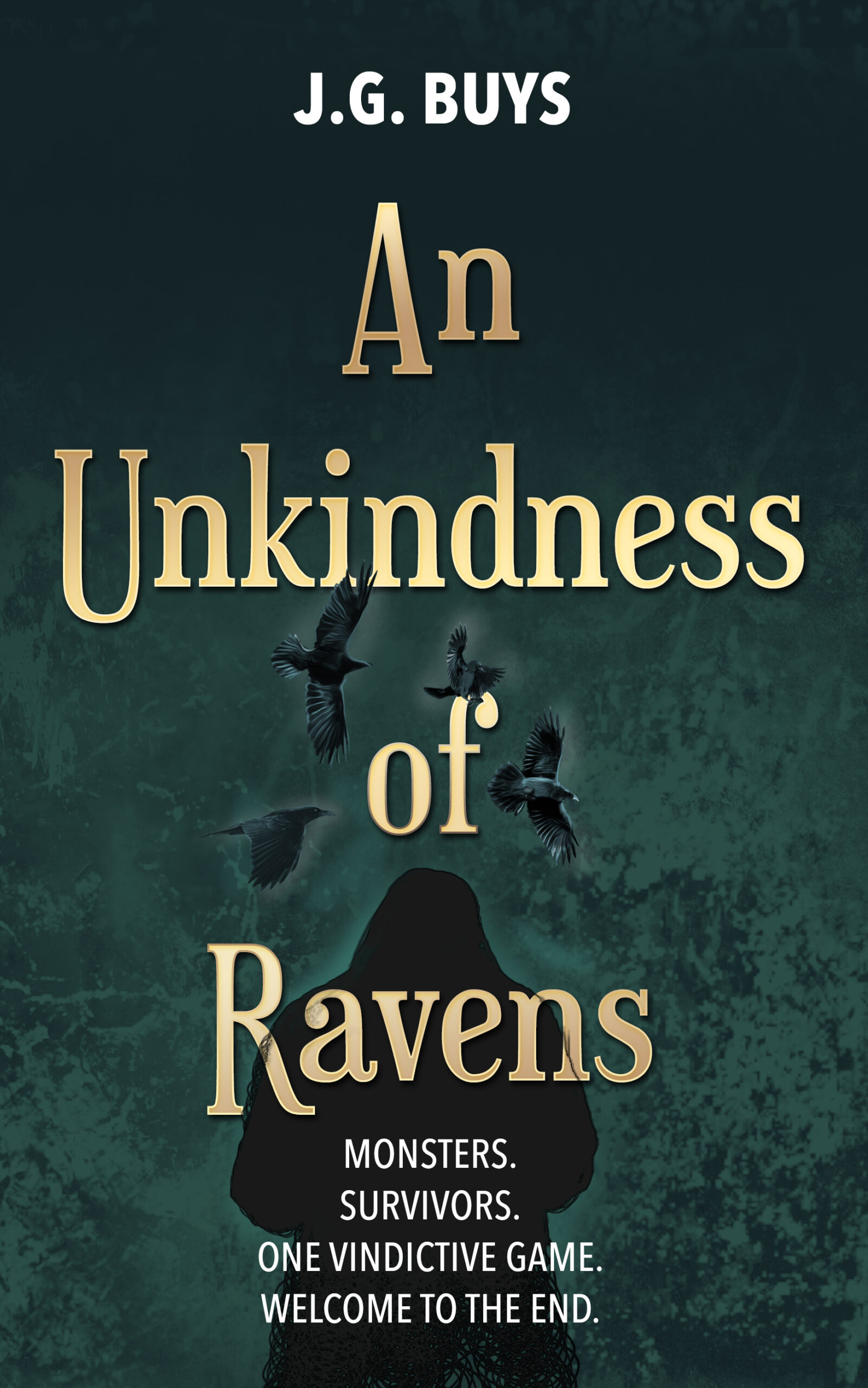
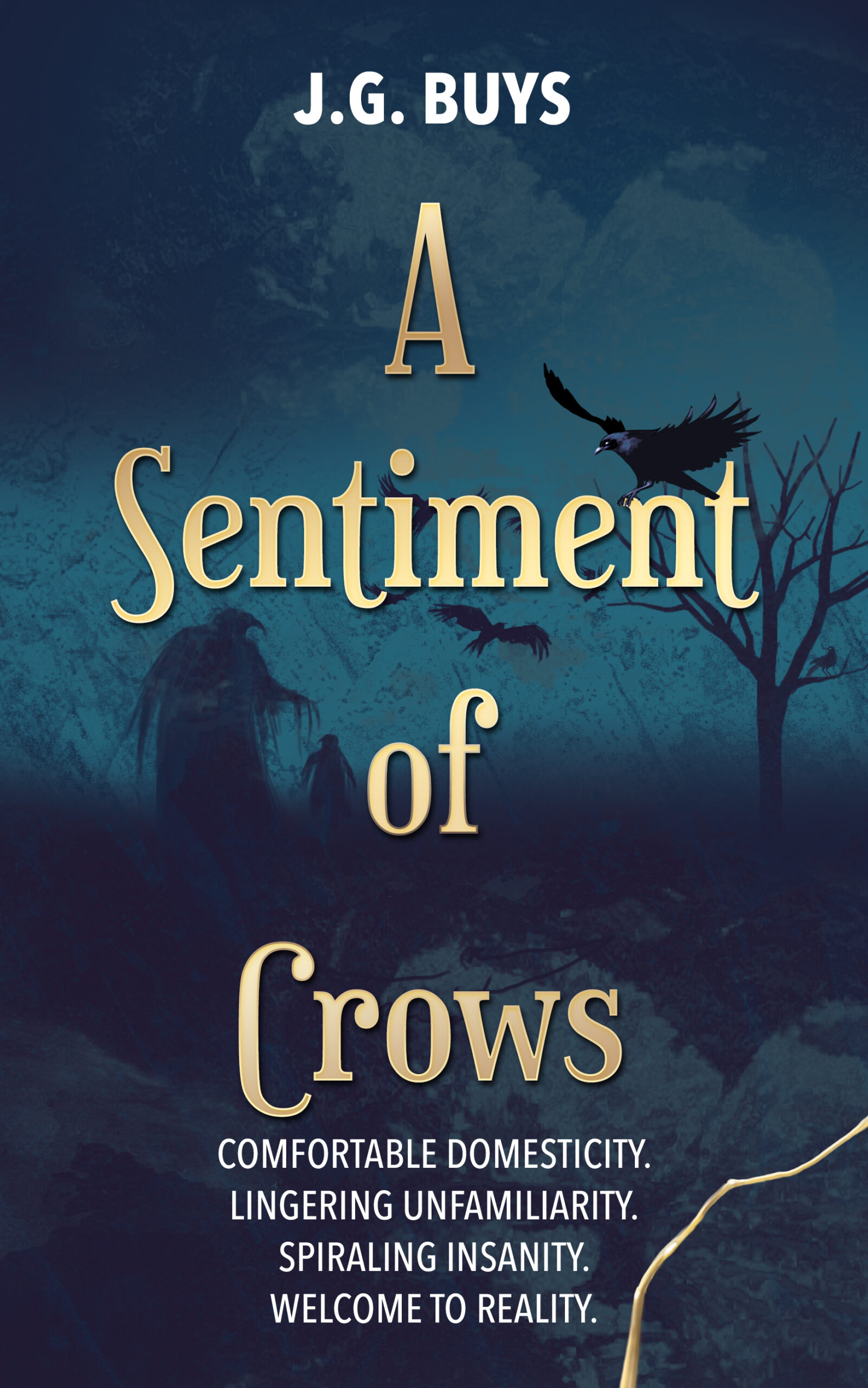
J.G. Buys
Author of An Unkindness of Ravens
If the idea of working with a professional to get your book out there into the world appeals to you, and you’d prefer not to cut any corners, please drop me an email at phillipa@phillipamitchell.com detailing your requirements, or complete the form below. A copy of this form will be sent to your email address once you hit the submit button.
Let’s get you published!