
One of the questions I’m often asked by my clients, both in South Africa and abroad, is, “How can I get my book published by a traditional publishing house?”
Signing a book deal with a traditional publisher is first prize in many ways, but it requires time and patience and a very thick skin. Publishers are businesses. Ultimately, they exist to make money. They receive hundreds, if not thousands, of solicited and unsolicited manuscripts every month, so they have the luxury of cherry-picking what they feel will raise their bottom line the fastest. If your book is topical and relevant (or offers a unique approach to a particular subject) and there’s nothing else out there like it, there’s every possibility they’ll snap it up. If not, brace yourself for a long wait and the very real possibility of a deluge of rejection letters. It happens to the best of us.
What is it that makes so many people believe that the only way to be truly recognised as a successful author is to be signed with a mainstream publisher? Yes, of course there is a certain amount of glamour attached to being published with a mainstream publisher – and that’s if anybody is taking the time to ask or notice – but it doesn’t necessarily have to be your only port of call.
I must, however, be completely honest with you. Nobody really cares who published your book. All that matters is that you have a printed, published book with your name on the front, and pages and pages of well-written, beautifully constructed content in between.
There’s a lot to cover, so feel free to use the Publishing Roadmap below to jump to whatever section is most relevant to you. Otherwise, put the kettle on, settle in, and let me walk you through everything you need to know.
You’ve made your mind up that you’re going to submit your manuscript to a mainstream publisher. Now what?
As a first-time writer, getting published through a traditional publisher can takes years of perseverance before your book is accepted for publication. JK Rowling’s first Harry Potter manuscript was rejected by twelve different mainstream publishers before Bloomsbury Publishing finally sat down to read it. The rest, as you know, is history.
If you’re planning on going the mainstream route, you will need to ensure that you have certain information ready before you make your submission.
The traditional publishing houses will ask you to submit a book proposal to them, and your manuscript forms part of the proposal. You would submit this to them directly, as yourself, or, if you prefer, you can use a literary agent.
If you want to submit to a large mainstream publisher in the UK or the USA, you cannot submit your book proposal directly. Instead, you are required to employ the services of a literary agent, but in South Africa you have the option of doing it yourself, or using the experience of a literary agent.
Most traditional publishers have specific window periods that they will open up during the year for manuscript submissions. Sometimes it is for as short a period as a week, so my advice is to go and check out each publisher’s web site (the publishers that you would like to publish with) and determine when their window periods are. Once you have these dates, diarise them in Outlook. or wherever you are most likely to remember to take action.
Have a look at their submission guidelines, as each publisher will have different requirements. Some will only require your full manuscript, while others may ask for a synopsis and your full manuscript. Others might only want a synopsis and the first three chapters of your book. Include this information in your calendar reminder, as well as a link to the submissions page so that you don’t have to go hunting for it months later.
Most publishers will accept electronic copies of your manuscript, but there are some that still prefer a printed hard copy to be sent to them.
Besides your manuscript, ensure that you attach as much supporting evidence about you and your book as possible. You only have one chance to sell yourself, so make sure that you do it well. This will give you the credibility you need to be noticed by a prospective publisher.
Most publishers will require a synopsis to be submitted with your manuscript. A synopsis is basically a rundown of what your book is about, chapter by chapter. If you’ve never written a synopsis before, basically what you are required to do is to sum up each chapter in a few lines from the beginning of your book through to the end. A SYNOPSIS IS NOT YOUR BLURB! State the facts and make sure that the story line flows.
The publisher is not interested in suspense or guessing – that is for the reader – they will be looking at your book as a product that they can make money out of, and if they like your concept, there is a good chance that they will contact you for more information.
The synopsis is important and it would be a good idea to take your time writing it, ensuring that there are no grammatical, spelling or punctuation errors.
Your synopsis should not be longer than two typed pages.
It is important that you attach a cover letter to your book proposal. Introduce yourself (write a short biography about yourself, including any notable career highlights, and anything else that might attract a publisher’s attention). Take some time to explain why you wrote your book, and why you feel that it would be suited to that particular publisher’s audience. Include a professional photograph of yourself in your cover letter.
I would suggest including a couple of lines indicating that you are willing and able to attend book launches across the country (and internationally, if required), media interviews (and if you are familiar with media interviews, mention this), and anything that the publisher might deem necessary in terms of giving your book as much exposure as possible.
I think it must be a publisher’s worst nightmare to sign a new author, only to discover that they are unavailable to attend media events and sign books for their fans, or to be interviewed about their book.
In South Africa, when submitting directly to a publisher, you will generally submit your book proposal through the publisher’s web site, or by email. Your manuscript must be submitted in either in Microsoft Word or PDF format (depending on what they require).
After that, it’s a matter of sitting back and waiting (and praying) for a couple of months while they decide if they like your book, or not. Publishers will generally email you if it’s a thumbs down, and they will either call or email you if it’s a thumbs up.
Authors can also explore getting published through a hybrid publishing house, or, if you’re extremely brave (and I think you’re extremely brave) you can self-publish your book on online platforms like Amazon.com and IngramSpark.
Whether you want to become a bestselling author or you simply want to use your book as a business card, it doesn’t matter where you begin. The most important thing is that you take that first step.
There are many famous authors who started out as indie authors, for example Stephen King and EL James (Fifty Shades of Grey).
What is the difference between hybrid publishing and self-publishing?
Companies that offer hybrid publishing services (and there are a few in South Africa such as Rockhopper Books, Reach Publishers, Quickfox, and Porcupine Press) will offer different publishing packages (usually upwards of R15k, depending on what you want).
These packages will include things like editing, proofreading, formatting, cover design, ISBN allocation, printing, e-book production, marketing, distribution into the book trade, and listing your book on various online and electronic distribution platforms.
You will usually receive about five copies of your printed book as part of the package that you purchase, and if you want any more, you will have to pay for them.
You will receive a percentage of your book sales in the form of royalties, and this varies from one self-publishing house to another. You can expect your royalty payment to be in the region of 10% of the retail price of every book sold.
I would like to point out (from my personal working experience in the book trade) that hybrid publishing houses are not the greatest marketers. They will likely ensure that your book gets into bookstores once it is published, but that is pretty much it. Most of the marketing work is left to the author.
If you’re a novice and you don’t want to invest the time in going the self-publishing route, and you just want to get your book out there as painlessly as possibly – and you have the large budget required – I would suggest going this route.
If, on the other hand, you’re more adventurous, and you’d like to receive a greater share of the profits and have more control over what happens to your book, then I will invite you to step up on to the stage of self-publishing.
If you’d like to work with me directly to self-publish your book rather than doing it yourself, click on the bright purple button below. Otherwise, read on.
Self-publishing is an exciting and growing trend both worldwide and in South Africa.
The best part about being an indie author is that you have full control over your book, from your original manuscript to cover design to typesetting, to production to printing to distribution. And you’ll make money from the get-go. You get to choose who edits your book, who designs your cover, whether you want a glossy or matte cover, whether you want cream or white paper, and in what thickness; you get to choose exactly what goes on the copyright page of your book, the price of the book, the size and format of your book, which distribution channels you want to use, and you can make changes to the content within minutes at no cost to yourself.
And, if you’re actually planning on making money out of your book, you will receive higher royalties of about 20% of the selling price of your print book (and more if you publish your book as an e-book), as opposed to the 5%-10% that you receive through the mainstream and self-publishing channels.
So, how do you become a self-published author?
If you’ve never ventured down this road before, it may sound daunting and you may already be trembling slightly at the thought of where to begin. Remember, you’re going to take on all the roles of a traditional publishing house, and it is hard work. But speak to any indie author out there and they will tell you how rewarding it is.
There are many companies that you can use to create and print your book, for example IngramSpark and Smashwords. Both are based in the USA, their services are all online, and they are all highly geared for the independent publishing market.
Every published author should make sure that they have both an e-book (ePub) version of their book and a paperback version, but, if you’ve written a book and you want to get it out to market as quickly as possible while you wait for your printed copies to arrive (or while you raise money to cover the printing costs themselves), you may want to consider publishing an e-book version of your book in the meantime.
Amazon is the largest online retailer of e-books (followed by other platforms like the Apple iStore, Barnes and Noble, and many others) but because size does matter, my suggestion would be to start by publishing your book on Amazon first. Simply upload your book’s professionally typeset interior (which should be in ePub format) directly into the Kindle publishing platform (it’s also referred to as Kindle Direct Publishing – or KDP). If you are strapped for cash, you can use Amazon’s Kindle Create app to convert your manuscript into ePub format. The Kindle Create app is a great tool. You upload your manuscript into it from Word and it formats your manuscript so that it can be read on any electronic reading device.
Once you’ve published your book as an e-book on the Amazon Kindle platform, you can consider expanding your reach to other digital bookstores using Draft2Digital. Please note, however, that if you choose to use the Kindle Create app to create your ePub, you will not be able to use this ePub to upload your book onto Draft2Digital’s platform as it is produced in a slightly different format that Draft2Digital does not recognise. Draft2Digital does, however, offer its own solution.
My advice would always be to spend the money and enlist the services of a professional typesetter to get your book ePub-ready.
I will go into a little more detail in terms of the actual publishing process a little later…
Setting up your account is very similar to setting your account up with Amazon, the only two major differences are that you get to choose which of the different vendor platforms you want to sell your e-book on, for example on the Apple Books Store, Barnes and Noble, Kobo, Overdrive, Tolino, Smashwords, and so on; and, if you want too use their DIY option to format your book’s interior and get it ePub ready, you get to choose from a wider range of e-book formats which include decals at the beginning of each chapter, and different styles of headings and fonts, depending on the type of book that you’re publishing.
I will go into a little more detail in terms of the actual publishing process a little later…
When publishing your book in paperback, it is important that it is available on all leading book retail platforms across the world. Not only must it be available to the general public but also to bookshops that might wish to purchase copies, no matter where they are in the world. This can be achieved through the print-on-demand services offered by Amazon and IngramSpark.
Print-on-demand is exactly what it says it is. As an author, you no longer have to print thousands of copies of your book and ship them off to a big warehouse in the middle of nowhere, hoping they’ll be sold, and if not, that they’ll be returned to you in mint condition. Amazon and IngramSpark both have on-site print-on-demand (POD) facilities, which allows them to print a copy of your book as an order comes in from a customer.
Amazon’s print-on-demand solution allows authors to sell their books to fans across the world at the click of a mouse. All you have to do is upload your book’s files (cover and typeset interior), and when a customer comes along and buys a copy of your book, Amazon hits the print button on their fancy shplancy printer, and voila, your book pops out the other side. Amazon then ships the book off to the customer.
The only thing you need to be aware of if you choose to only publish your paperback on Amazon KDP is that the average bookshop will not buy your book from Amazon. I’ll write more about this further down.
Publishing a large print edition of your book in addition to your standard paperback edition offers numerous benefits, particularly when it comes to reaching a wider audience. Many authors are unaware, for example, that public libraries are often desperate for large print editions (and often have an entire section of their library dedicated to large print), yet so few are being published.
But what on earth is large print, I hear you ask? Large print is when a book is printed with its text set in a larger font size than the standard 11 or 12 points used in regular books. The font in large print books is typically 16 points or larger. This format is designed to make reading more accessible and comfortable for individuals with visual impairments, age-related vision loss, dyslexia, or those who simply prefer a larger text for ease of reading and reduced eye strain. By providing an accessible format, you can make your work more readily available to a broader range of readers, thus increasing potential readership and sales.
In addition to expanding your target audience, large print editions can also be beneficial in terms of helping your book stand out in a crowded market. With countless independently published books available to readers, it can be challenging for authors to differentiate themselves and capture the attention of potential buyers. By offering a large print option, authors can cater to a niche market, setting themselves apart from competitors who may not have considered this format. This differentiation can lead to increased visibility and, in turn, more sales opportunities, which is crucial for independent authors seeking to establish their presence in the literary world.
Moreover, publishing a book in large print format can enhance the overall reading experience for a variety of readers, not just those with visual impairments. Many individuals prefer large print for the ease of reading and reduced eye strain it offers, particularly for extended reading sessions or in low-light conditions. This improved reading experience can lead to positive reviews and word-of-mouth recommendations, further increasing an author’s credibility and potential for success. By recognising the benefits of large print editions and incorporating them into their independent publishing strategy, authors can effectively reach a wider audience, stand out in a competitive market, and enhance the reading experience for their readers.
To design a large print edition of your book, you’ll need to take the following into consideration:
From a printing perspective, large print editions often require more pages to accommodate the increased font size, which can result in a thicker and heavier book. This may lead to higher production costs, as the increased page count requires more paper and ink, and potentially different binding options to accommodate the larger size. However, advancements in digital printing and print-on-demand services have made it more affordable for independent authors to offer large print editions of their books without incurring substantial upfront costs.
IngramSpark will charge a separate setup fee for a large print edition, but it will not be more than their setup fee to publish a regular paperback edition. There are no additional charges on Amazon’s side. You will need to mark this edition as “large print” during the publishing process so that Nielsen’s Books in Print catalogues your book correctly.
It is important to weigh the potential benefits of reaching a wider audience and catering to a niche market against the increased production costs associated with large print editions. In many cases, the potential for expanded readership and sales can offset the higher costs involved in producing and distributing large print books.
Many self-published authors are unaware that by only making their book available on online retail platforms like Amazon, they’re cutting themselves off from potential sales into bookshops.
Coming from a bookselling background, I know that bookshops do not like buying self-published books from Amazon because it adds all sorts of problems into the mix. For one, they have to pay for the books upfront (whereas traditional publishers and distributors offer all sorts of credit facilities); for another, there are the shipping fees; then there is the issue with returns (Amazon is a one-way street); and finally, Amazon doesn’t offer bookshops the magical trade discount that publishers offer them, which means they have to inflate the book’s price before selling it onto the consumer. Essentially, if your book is not available to a bookshop via a publisher, wholesaler, or distributor, it’s not in their catalogue, and you can forget about them placing a special order for any customer who might want a copy of your book. It’s just too much hard work.
IngramSpark is the print-on-demand arm of the world’s largest book wholesaler, Ingram. Self-publishing your paperback via IngramSpark means that your book will immediately be available in Ingram’s wholesale catalogue, making it quick and easy for any bookshop anywhere in the world to find and order your book.
IngramSpark’s print-on-demand solution is pretty much the same as what Amazon offers, the only difference being that they sell to the book trade and not individual customers. Their setup process is intricate and demands a lot more information than what Amazon does, but it will ensure that your book is accurately listed on Books in Print, the world’s largest book catalogue, so that bookshops know exactly where to find your book. While they no longer charge their once-off $49 set-up fee (as at 1 May 2023), they will charge for any file revisions submitted within 60 days of publishing, so just bear this in mind when taking the plunge with them.
In summary, as an indie author, you have three ways of getting your book out into the local and international market:
First of all, you can publish a paperback copy of your book through Amazon KDP and IngramSpark, which will give you international reach across all of the major online and bricks and mortar bookstores, including South African bookstores.
Secondly you can publish a digital version of your book as an e-book through Kindle Direct Publishing and your book will be instantly available across Amazon stores worldwide.
And, finally, you can publish your e-book on the Draft2Digital platform and have your e-book available on all the other online digital platforms that are not related to Amazon, such as the Apple Books store.
Additionally, you also have the option of publishing your paperback in large print format and making it available to readers on both Amazon and through IngramSpark.
Before you take the plunge and start uploading your manuscript to all of these platforms, I have some publishing secrets that I would like to share with you. If you follow these guidelines, you’re already halfway there in terms of successfully publishing your book.
Setting up your Author page on Amazon is something you will do when you publish your first book on Amazon KDP. To get to the Editorial Reviews section, click through to your Author Central control panel, click on the Books Tab, and then edit the Editorial Reviews section. You will see that the reviews you paste into this section will appear before the book’s description on your book’s page on Amazon, which is rather nifty. You can do the same with reviews and endorsements from celebrities, magazines and newspapers.

The quickest and easiest way to make sure that you receive regular once-a-month royalty payments is to set up a Payoneer account. Payoneer will set up a bank account in the USA for you at no cost (it will likely be through First Century Bank), and link it to your local bank account. You can even order a bank card, which will arrive with your name embossed on it.
To link your Payoneer account to Amazon, Draft2Digital and IngramSpark, simply provide the banking details of the account that Payoneer has created for you, and your royalty payments will be transferred into that account on a monthly basis.
You can instruct Payoneer to transfer payments into your local account at any time.
It’s really easy to set a Payoneer account up, and Indie authors worldwide make use of their services. Go to www.payoneer.com for more information.
If you don’t have a Payoneer account, you can expect to receive your royalty payments by cheque, in the mail, if you are not in a qualifying country to receive your royalty payments by wire transfer. Amazon KDP has recently given the nod to South Africa and enabled wire transfers, but just bear in mind that Amazon pays out royalties monthly and, if you have a slow sales month, a $25 royalty payment may be sucked up by your local bank’s service fees for the international transaction. I prefer Payoneer because you can stash your US$ for as long as you like before cashing them out.
If you’re based in South Africa and you are looking for a local printing house, I would highly recommend Mike White. He’s based in Cape Town and has been printing books since the year dot. He specialises in printing not only for Indie authors but for large publishers too. His quality is excellent, his turnaround times are usually 4-5 days, and he delivers across South Africa.
His pricing is also reasonable and much cheaper than ordering author copies off Amazon KDP and IngramSpark. At the time of publishing this page, a short print run of 100 books cost me R75/book. He will do shorter print runs of approximately 20 books, but this can become expensive. Rather opt for a minimum of 50 copies and spend some time marketing your book.
Mike can be reached at michael.hanslow.white@gmail.com.
Another great local printing house is Digital Book Printers, headed by Glendor Crouch. Like Mike, she’s been in the book printing industry forever, works with many of South Africa’s large book publishers (so she understands the level of quality that publishers and bookshops expect), and has the same great pricing, and turnaround times.
Glendor can be reached at glendor@digitalbookprinters.co.za.
Being a bookseller by trade, I know that when a client asks me to source a book for them, I will want to go through the quickest, least painful channel to get that book into their hands.
Booksellers usually buy directly from the publishers, or they will purchase from the publisher’s distributor, or, one better, a wholesaler. If a customer asks for your book and the bookshop doesn’t stock it, the first thing the bookseller is going to do is check where they can purchase your book. Ideally they would want to purchase from a source that they deal with regularly. If your book is readily available from a wholesaler, the chances of a bookstore ordering copies of your book are high.
One of the largest book wholesalers in the USA, Ingram, stocks all books published through Amazon KDP (I believe that books are actually printed “on demand” on their premises).
Publishing through IngramSpark (the indie publishing division of Ingram) means that any bookshop anywhere in the world can order copies of your book from Ingram. As a bookseller, I order from Ingram regularly, and their service and turnaround times are excellent. If you’re planning on going the indie publishing route, IngramSpark, from a bookseller’s perspective, is hugely in your favour.
But wait, there’s more … over and above this, Ingram supplies digital feeds of their book catalogue to pretty much every online bookshop WORLDWIDE, and because they house the full IngramSpark catalogue, it means that your book will be fed through to the entire planet of booksellers without you having to lift a finger. If you’re based in South Africa, expect to see your book pop up on sites such as Loot, Takealot and Exclusive Books within a few weeks of it being published with IngramSpark.
My biggest nugget of advice when it comes to marketing your book to readers is that you should ensure that you have a reliable supply chain in place in terms of order fulfilment. You shouldn’t ever leave a bookseller hunting through pages and pages on Google to find you and your book; trust me when I say that it’s a schlep and it won’t invite future business. It is only the specialist bookshops that will really take the time and trouble to find an author, so don’t expect the big bookstores to do this.
In terms of getting your book into bricks and mortar bookshops in South Africa, it can be a costly exercise, so I would advise that you approach this area with caution.
When pricing for the South African market (for your printed copies), bear in mind that the major bookstores will require at least 40-55% off the recommended retail price of your book, and then there are the distribution costs. If you are using a local distributor to get your books into bookstores, you can expect to pay in the region of 24-26% of the retail price of your book to your distributor.
My advice (when you’re starting out) is to save on distribution costs and begin by selling your books through the independent bookshops in South Africa. This is something that you will do directly, and it is fairly simple to accomplish because there are only a few independent bookstores in the country. Aim to visit the manager of the bookshop in person if possible. Launching your book at one of the independent bookshops is also a great way of getting your book onto their shelves and selling large volumes. Some of my favourite independent bookshops to work with are Love Books (Bamboo Centre, Melville) and The Book Lounge in Cape Town.
Most bookshops will only order books on consignment, i.e. you can only expect to be paid once the bookshop sells a copy of your book, and bookshops generally only pay after 90 days from date of sale. The onus is on you to send the bookshop a statement at the end of every month so that they can reconcile their accounts and pay you for what they have sold. I would suggest that you state clearly on your invoice “Sale or Return: 90 days”. Make sure that you collect your unsold stock after this 90 day period.
When you’re ready to sell into the larger book chains, such as Exclusive Books, make sure that your printing costs are as low as possible (without compromising on quality) so that you don’t end up sitting at break-even, or below break-even point. Remember, with the large book chains, you have the added costs of paying a distributor to get the books into the individual stores. These distributors charge their 24-26% to cover warehousing costs, packaging costs, delivery costs, and the costs of getting their representatives to visit each of the branches with a copy of your book so that they can generate sales.
I must admit that there is nothing more disheartening than realising that the only people making money out of your book are the booksellers. Being a bookseller myself, this is something that really hit home for me when I started selling my own book into the larger book chains. This is why, when starting out, I would really recommend focussing on online sales, and then on selling through the independent bookstores.
So, to sum everything up, if you’ve scrolled down this far and you have a book inside you, you really have no excuse in terms of getting it out there.
If you’re a better speaker than you are a writer, hire yourself a ghostwriter. And if you are not hitting it big with a mainstream publisher, take a step to the side and consider going either the self-publishing route, or, like me, become an indie author.
There are some great resources out there for indie authors, for example Joanna Penn who has a fantastic web site called The Creative Penn. If you enjoy podcasts, I would suggest that you sign up to hers immediately. I cannot tell you how much I have learned and how motivated I am about being an indie author since I started listening to her podcasts. You can find her at https://www.thecreativepenn.com/
Once your book is published and you’re holding it in your hands, brace yourself to watch in amazement as the recipient of your book buckles at the knees and stares at you with a glazed-over star-struck look in their eyes. Within seconds, you will witness yourself suddenly rising in stature from a regular Joe (or Josephine) Soap to something of a demi-god.
So, whether you want to be a bestselling author, or you simply want to make a statement and use your book as the best business card that you’ve ever handed out, isn’t it about time that you claim your role as the legend that you were always meant to be?

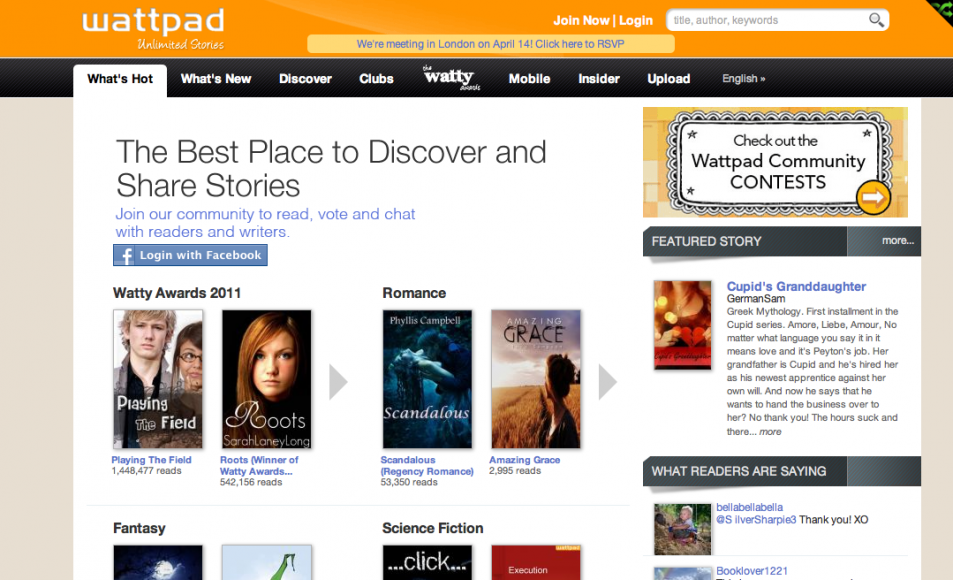
When I wrote and published my first book, I released it one chapter at a time on two serial publishing platforms (Wattpad and Jukepop – now called Serial Box) and gained a nice following. Readers can read your chapters as you post them, and they can vote and comment too.
Both are web and app-based plaforms, Wattpad being the larger of the two, and both platforms service both the reader and the author.
Serial publishing was a great way of gauging the success of my book before I actually published it with readers voting for each chapter as it was posted. In June 2015, Four in the Morning won #1 position on Jukepop, one month before I published it on Amazon.
Just be careful of goimg the serial publishing route if you’re planning on publishing mainstream as many publishers won’t accept your manuscript for publication if the content is already “out there”.
To publish your manuscript on Amazon KDP you will need to complete the following steps:
Before you upload your manuscript, make sure that you have completed the following checks:
Besides all of that, it’s rather cool to be able to physically hold a draft copy of your book in your hands.
Take your time, and don’t rush the process. Make sure that your book is as close to perfect as possible before it goes live. I cannot emphasise this enough.
Should you want a few printed copies of your book from Amazon KDP for yourself and you’re happy to focus only on international sales and not print any copies locally, you will be required to cover the printing costs. At the time of publishing this page, Amazon KDP was charging in the region of $5 to print a 350 page book with a full-colour paperback cover. This excludes shipping charges.
The no-cost DIY version (but you may need to pack some pain meds and practice deep breathing for this):
To format your manuscript as a Kindle e-book, you can either upload your manuscript directly into the Kindle Direct Publishing (KDP) platform, or you can use their Kindle Create app to create a Kindle-friendly version of your book yourself.
The Kindle KDP app is downloadable for both Mac and PC. You simply upload your manuscript from Word into the Kindle Create app, and the app will convert it into ePub format and make sure that it is correctly formatted for reading on a Kindle device or tablet/ smartphone.
To publish your book in Kindle eBook format so that it can be downloaded from Amazon sites worldwide, you would need to complete the following steps:
If you’ve prepared a book in Microsoft Word, Kindle Create (Beta) helps you convert it so it’s ready to publish to Kindle devices and apps. Kindle Create (Beta) makes it easier to go through the file conversion process, preventing the kinds of errors that can slow down publishing.
Please note that Kindle Create (Beta) is ONLY for books without images, tables or illustrations. If your book contains images (etc.) then you can download Kindle Textbook Creator here. This app will ensure that all your formatting is preserved. Remember to save your manuscript in PDF format before you upload it. Kindle Textbook Creator does not accept documents in Word format.
But back to Kindle Create…
Kindle Create (Beta) helps you
When you upload your manuscript, Kindle Create (Beta) automatically converts the file into a Kindle-compatible file. Then it will help you format it.
Kindle Create (Beta) automatically scans your file for chapter headings, and builds a table of contents for you. Building a TOC manually can be time-consuming.
You can define the parts of the book (title, subtitle, chapter title, first paragraph of a chapter, and so on) as you go through the file.
As you go, you can stop and spot-check how the page you’re working on will look when it’s published to Kindle.
Once you’re satisfied with your book’s appearance, you can upload and publish your output file (.kpf) directly to KDP. eBooks published using Kindle Create (Beta) automatically support Enhanced Typesetting (ETS) and Page Flip.
If you don’t have a new book ready to publish, you can still help us review the workflow for improved formatting of your Kindle book by working with an offering from the public domain. You may also update an existing book that you’ve previously published.
Draft2Digital gives you a fast, easy way to self-publish. It’s a great “next point” after publishing your book on Amazon Kindle, and expands your reach to other online bookstores, including the Apple iStore.
Draft2Digital handles the formatting. You set the price of your books, get monthly payments, and see daily reports of your book sales. They make it all work with 24-hour support and dedicated customer service. They keep 10% of the sales price, and authors keep 100% of their rights.
If you’ve already published your book through another distributor, you can still use Draft2Digital to expand your reach and simplify your project maintenance for all other sales channels.
Log on to www.draft2digital.com and sign up for a free account. There’s no upfront cost and no risk to you. When you sign up for an account, they will need a couple of basic pieces of information:
The Draft2Digital interface is easy to use, so getting set up only takes a couple of minutes.
All you need to get started is a Word document (.doc or .docx format), RTF, or any other file type Word can read. Draft2Digital does not have a style guide or any special formatting requirements.
That’s it! From there, Draft2Digital will make sure your book gets a working Table of Contents and page breaks between chapters. They also generate custom endmatter like About the Author and Teaser pages. They guarantee that anything they produce will pass Epubcheck, meaning it meets the technical standards for all of their digital stores.
The Draft2Digital conversion process creates a beautiful epub and you’ll be able to download a mobi file for Kindle reading too.
Your ebook may look a little different from the original document you uploaded. Their goal is to make your story look as good as possible on the devices readers use.
If you have an expertly-formatted epub of your own, that’s cool too. They won’t make any changes, but they will gladly distribute it to all their digital stores for you.
Draft2Digital will get your book listed just as fast as going direct, and they support some of the largest sales channels:
Instead of maintaining author profiles, sales descriptions, book versions, and series titles on all of those different accounts, they give you one easy place to maintain the information and make updates. Turning any of the sales channels on or off is as easy as clicking a checkbox.
Draft2Digital will automatically assign an ISBN to any book published through their system unless you provide one of your own. It’s a free service they provide because ISBNs allow them to distribute your book to more channels, and you don’t have to forfeit any of your rights.
If you already have the sales details ready for your next release (most importantly a firm release date), you can even set up preorders through Draft2Digital for all of Draft2Digital’s most popular sales channels. It’s a great way to build interest and boost your sales rank on release day.
Draft2Digital, like Amazon, can also create paperbacks for any books generated through our conversion service (that is, everything except pre-formatted epub uploads). You can use these files for distribution through CreateSpace or any other print-on-demand service you choose.
When you publish a book, you’ll enter a Digital Book Price (in US dollars). The list price is up to you!
Draft2Digital will direct their digital stores to sell your book at the list price you provided.
Want to list your book for free? No problem. Choose a list price of $0.00 on the publishing page, and they will make it happen.
If you decide to change your book’s price at any time (either temporarily or for good), just go back into their portal and make your adjustment. They will ensure that information gets updated with all of your vendors.
Draft2Digital’s goal is to take the headache out of publishing your book and managing it once it’s out there. They give you one easy place to take care of business and track your success.